Three groups, one franchise, and a December deadline
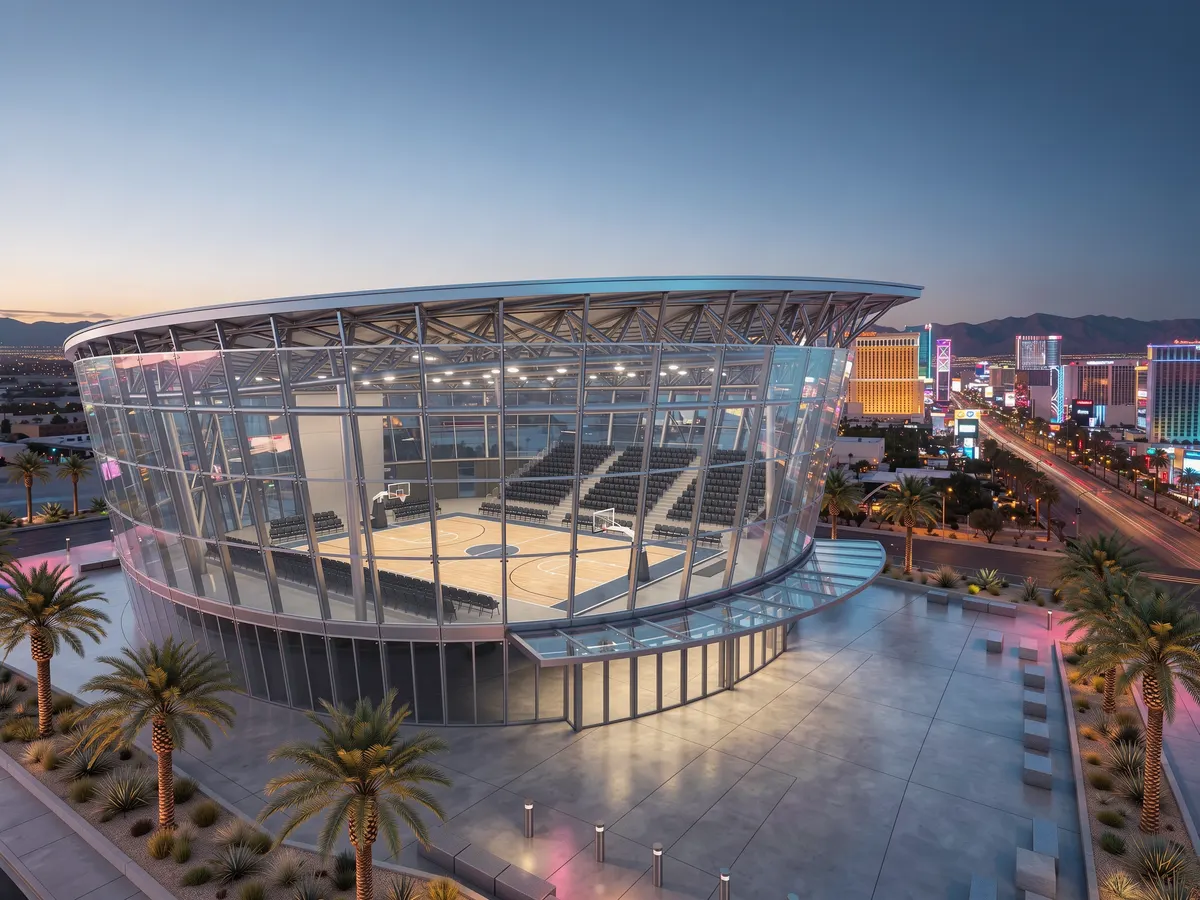
The Las Vegas NBA expansion race is down to three billionaire-backed ownership groups, and the league wants a formal approval process wrapped by the end of December. Per ESPN’s reporting, the franchise plus the arena project that comes with it is expected to command at least $12-13 billion, with a target of tipping off in the 2028-29 season. If the high end of that range holds, the Vegas package lands in the same territory as the Lakers’ record $12.5 billion sale.
That is the headline. The more interesting part, if you follow Nevada gaming, is what it exposes: Las Vegas has spent a decade buying pro sports credibility one franchise at a time, and the NBA is the most expensive and most complicated purchase yet.
Why Vegas is jumping the line ahead of Seattle
Seattle has the louder fanbase, the obvious grievance, and a basketball-ready building in Climate Pledge Arena. It is also, according to the same reporting, going second. The reason is almost comically simple: Vegas bidders put bigger numbers on the table, and Vegas needs a new arena.
That second point sounds like a disadvantage and isn’t. A new building means new construction spending, new naming rights, new premium inventory, and a new revenue split the league gets to help shape from scratch. Seattle’s arena is already equipped, so there is less upside to allocate. The league is also weighing whether losing Vegas bidders can pivot into the Seattle process, which quietly turns the Vegas competition into a two-round tournament. Nobody who loses here necessarily goes home without a team.
So the practical sequencing: Vegas gets picked first, Seattle follows, and the runners-up have somewhere to put their money.
Who’s still standing
Each finalist brings a different kind of leverage. One has Las Vegas operating experience, one has old money and a Henderson address, one has NBA boardroom history.
| Group | Core backers | Sports résumé | Market price (Sept 30) |
|---|---|---|---|
| Foley / Colangelo (“Las Vegas Jacks”) | Bill Foley, Jerry Colangelo | Vegas Golden Knights, AFC Bournemouth; former Suns owner, USA Basketball | +110 (mild favorite) |
| The Lauries | Nancy Walton Laurie, Bill Laurie | Former St. Louis Blues ownership | +160 (second) |
| Apostolopoulos / Lasry | Steve Apostolopoulos, Marc Lasry | Prior Hornets exploration and a Washington Commanders bid; Lasry a former Bucks co-owner | Third on the board |
Bill Foley and Jerry Colangelo
This is the merger that reshaped the field. Colangelo announced his Las Vegas Jacks bid in July, shortly after Foley said publicly he wanted an NBA team in the city. The two sides started talking roughly four months ago and combined: Foley brings the operating track record of the Golden Knights and real local political capital, Colangelo brings league relationships almost nobody else can match.
Colangelo’s file reads like a league history book. He sold the Suns in 2004 for a then-record $401 million, collected four NBA Executive of the Year awards, ran USA Basketball from 2005 to 2021 across four Olympic gold medal teams, and has chaired the Naismith Memorial Basketball Hall of Fame since 2009. The Jacks group also includes former Turner Sports president David Levy, Prime Capital Financial managing partner Scott Colangelo, former NBA player and coach Vinny Del Negro, and ESPN analyst Jay Williams.
Foley floated T-Mobile Arena as a home early on. Sources told ESPN the combined group now intends to build new if it wins, which matters: sharing the Golden Knights’ building was always the cheap answer, and the cheap answer appears to be off the table.
Nancy Walton Laurie and Bill Laurie
Nancy Walton Laurie is the daughter of Walmart co-founder James “Bud” Walton and a cousin of Denver Broncos owner Rob Walton. Forbes puts the couple’s net worth around $17 billion. Bill Laurie previously owned the St. Louis Blues, so there is major-league operating history here too, and the couple keeps a residence in Henderson. Their bid is read as the most straightforward of the three: established wealth, no complicated partnership structure, no financing questions.
Steve Apostolopoulos and Marc Lasry
Apostolopoulos, a Canadian billionaire, has been circling NBA and NFL ownership for a while, having explored a Charlotte Hornets purchase and bid on the Washington Commanders. Lasry, the Avenue Capital co-founder, spent years as a Milwaukee Bucks co-owner. They are the longest price of the three in the novelty markets, which says more about the other two groups than about this one.
A note on those odds, because people misread futures prices constantly. The +110 favorite converts to decimal 2.10, an implied probability of about 47.6%. The +160 second choice converts to 2.60, roughly 38.5%. Those two alone account for about 86% before the book’s margin is stripped out, which is exactly why the three prices will never add up to a clean 100%. The overround is the operator’s edge, not a forecast.
What 41 home dates actually do to the Strip
Here is the part the casino business cares about. The Raiders deliver eight regular-season home dates. The Golden Knights deliver 41, and that volume is the reason hockey turned out to be a better midweek tourism product than football. An NBA team adds another 41 regular-season home games on top, plus preseason and whatever playoff runs show up.
That is not a marginal change to the calendar. It is roughly another 40-plus Tuesday, Wednesday and Thursday nights with a reason for a visitor to book a room, which is precisely the inventory resorts struggle to fill between conventions. Sportsbooks, restaurants, rideshare, ticket resale, and the parasitic-but-lucrative ecosystem of watch parties all feed off the same dates.
Vegas has also already been auditioning. NBA Summer League has run at Thomas & Mack for years, the NBA Cup knockout rounds have been staged in the city, and the league brought an All-Star Game here back in 2007. A permanent tenant converts all of that from event tourism into recurring tourism, and recurring is worth far more to an operator than a once-a-year spike.
The betting side: more markets, more scrutiny
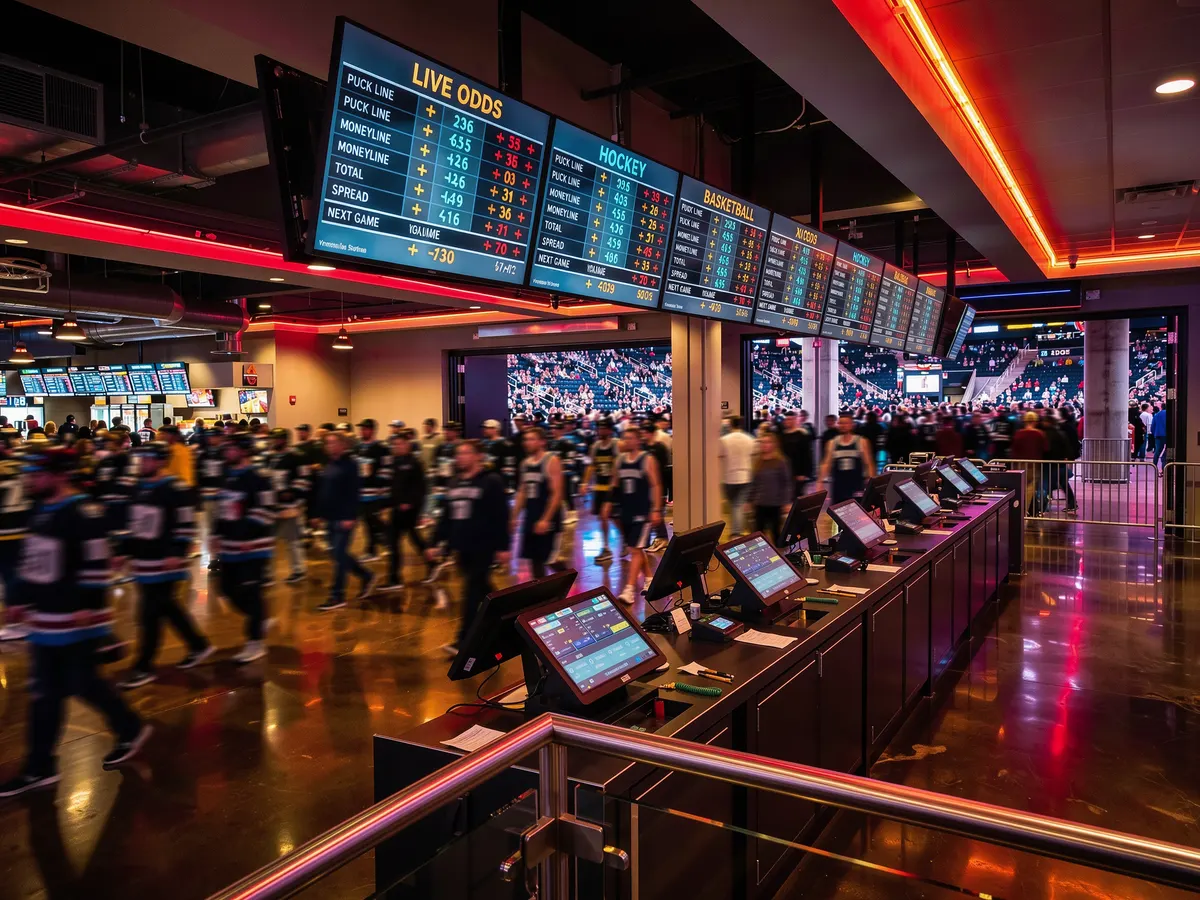
A local team means Nevada books get a year-round, high-liquidity NBA side with heavy local action, and heavy local action is both profitable and awkward. Books in Vegas already handle Golden Knights and Raiders money; the difference with basketball is the sheer number of markets per game, from spreads and totals to player props on 10 or more guys a night.
Props are where the integrity risk concentrates. The NBA learned that the hard way with the lifetime ban handed to Jontay Porter, and the league has since faced further betting-related cases involving people inside the game. Expect regulators and the league to lean harder on prop restrictions, monitoring agreements, and information-sharing with Nevada operators as part of any expansion approval. The league’s position has travelled a long way since Adam Silver’s 2014 op-ed arguing for legal, regulated betting, and putting a franchise inside the regulated market’s capital city is the logical endpoint of that shift.
For bettors, the honest version: more markets means more ways to lose money, not better odds. Every line carries the book’s margin, and familiarity with a local team is not an edge.
Signals worth tracking before the vote
- Arena site and financing. A new building needs land, a construction timeline that reaches 2028-29, and a public-money question that Nevada politics will not answer quietly.
- Whether anyone restructures. The Foley-Colangelo merger shows how fast this field can consolidate. Another combination before the December process would scramble the board.
- The Seattle clause. If losing bidders are formally allowed to pivot, nobody has to bid Vegas as a last chance, which affects how hard they push on price.
- Regulatory conditions. Any betting-related restrictions attached to approval will set the template for how a league team and a legal sportsbook market coexist in the same zip code.
Two of three finalists lose this round. The city wins either way, which has been the whole strategy since the Golden Knights arrived: let someone else pay the entry fee, and sell the room nights.
If you bet on any of this, treat futures markets on ownership outcomes as entertainment, set a deposit limit before you start, and use the self-exclusion and cool-off tools your operator is required to offer.